


Exclusive: Why Indians born on reservations are relevant to birthright citizenship
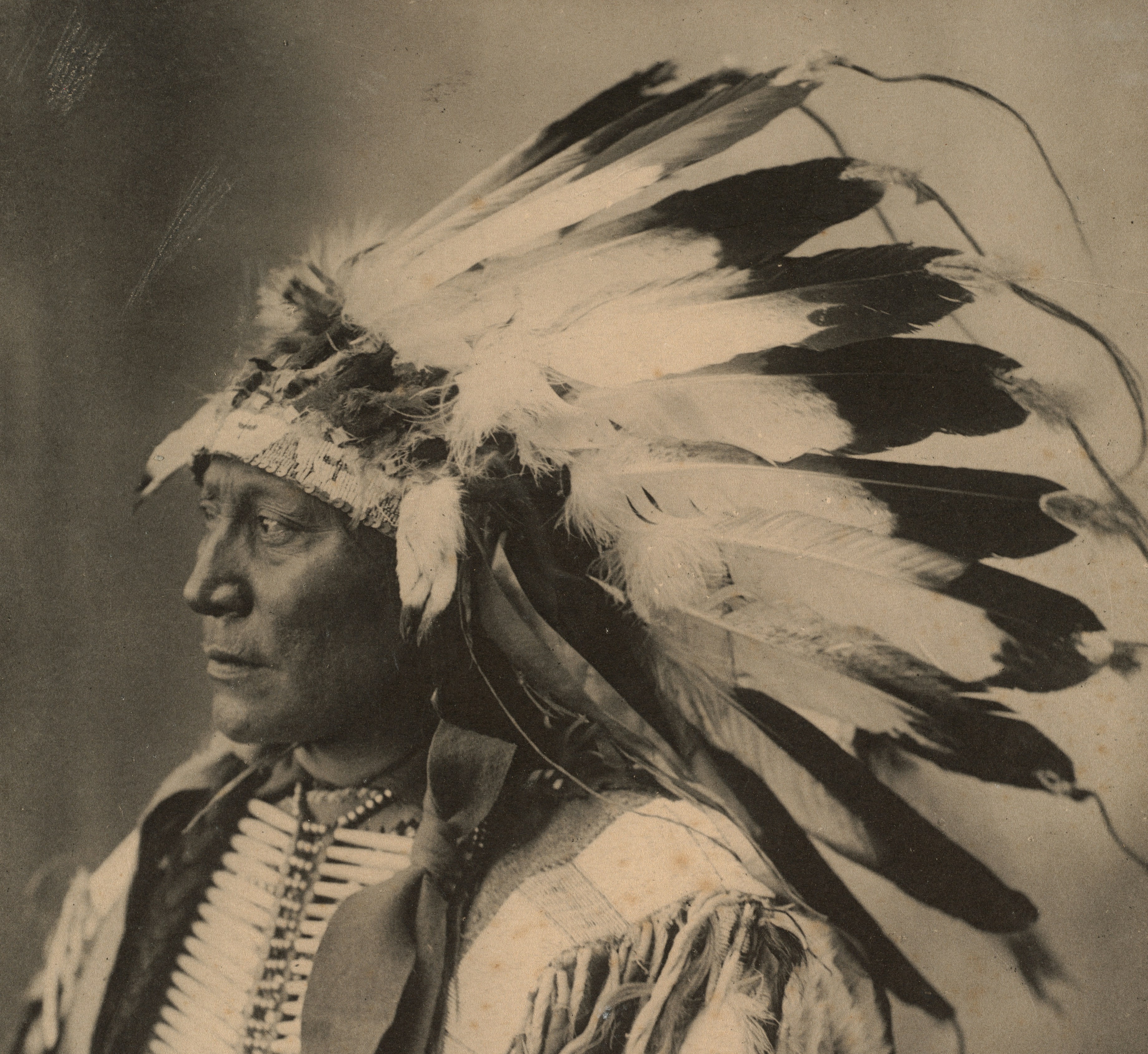
Exclusive to Public Advocate: Professor Clifford Thies posts:
In oral argument concerning birthright citizenship
Justice Barrett: "Is an - a tribal Indian born on a reservation today, on tribal land, a natural-born citizen under the Fourteenth Amendment?"
Ms. Wang (of the ACLU): "Under the Fourteenth Amendment, no. Of course, Congress has provided for citizenship for all tribal members in the 1924 [Indian Citizenship] Act."
Not
all
persons
born
in
the
U.S.
have
been
citizens
by
reason
of
place
of
birth.
In
addition
to
children
born
here
to
foreign
diplomats
and
to
the
members
of
invading
armies,
it
turns
out
that
Native
Americans
born
on
Indian
reservations
weren't
citizens
by
reason
of
place
of
birth
either,
until
the
1924
law
cited
by
Ms.
Wang.
And,
per
a
prior
S.C.
decision
(Cherokee
Nation
versus
Georgia,
1831),
Indian
reservations
had
been
recognized
as
part
of
the
U.S.
(as
opposed
to
completely
distinct
nations)
well
before
the
14th
Amendment.
Ms. Wang correctly points out that, by reason of an act of Congress, persons born on Indian reservations were subsequently granted citizenship by reason of place of birth.
But, this answer begs the question, has Congress ever passed a law regarding children of non-permanent resident-foreigners born here (including children of foreigners temporarily here such as tourists, and children of illegal aliens born here [so-called anchor babies])?