


Video: President Trump, Public Advocate and our Nation Observe Memorial Day 2026
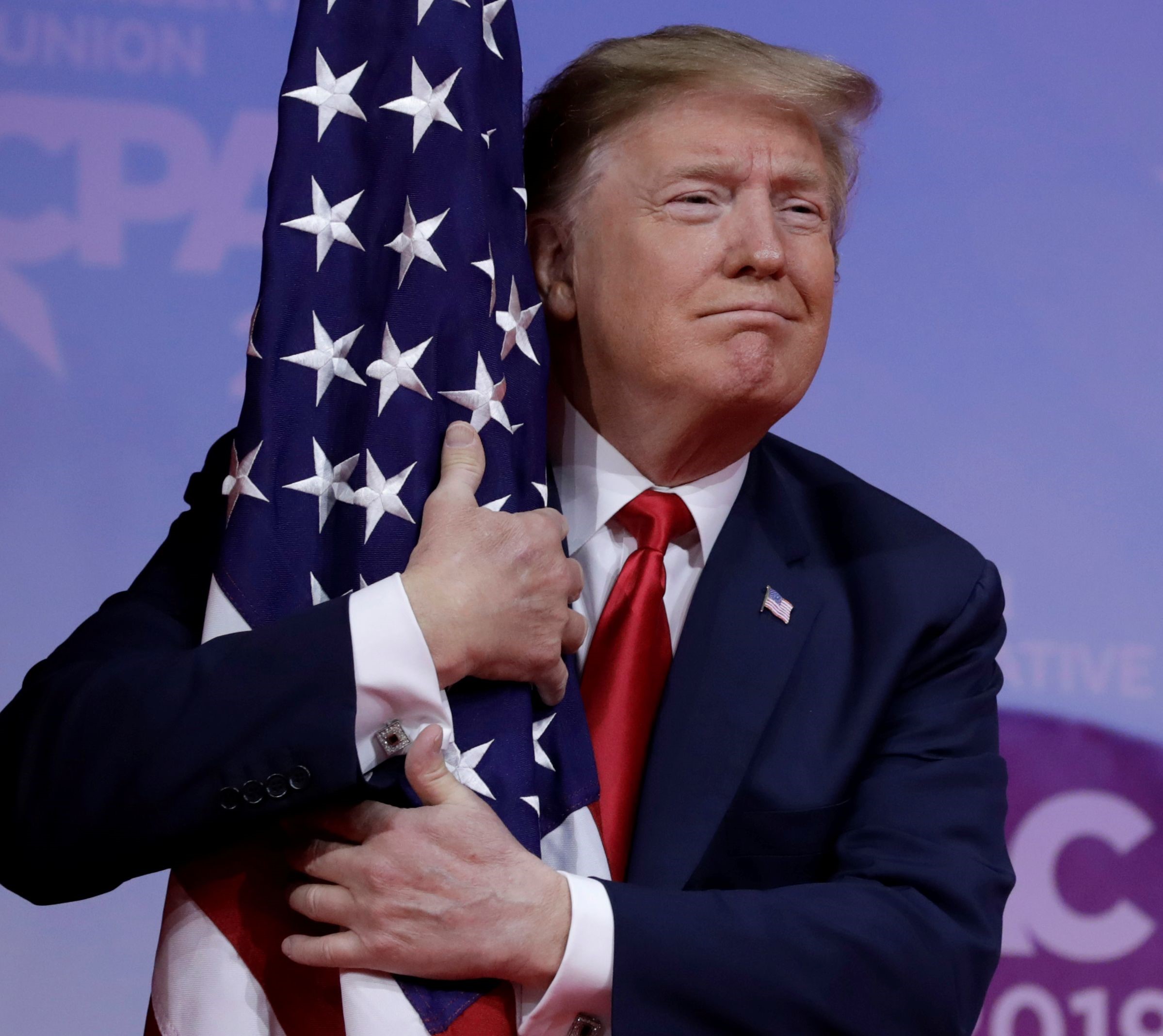
On
Memorial
Day,
the
President
of
the
United
States
has
traditionally
laid
a
wreath
at
the
Tomb
of
the
Unknowns
at
Arlington
National
Cemetery.
Carved
on
the
tomb's
marble
face
is
the
epitaph,
"Here
rests
in
honored
glory
an
American
soldier
known
but
to
God."
Throughout
history,
Americans
have
not
been
eager
to
go
to
war.
The
overwhelming
majority
of
those
who
have
fought
for
America
have
been
civilians,
not
career
military.
"Our
fallen
warriors
gave
their
last
breath
for
our
country
and
our
freedom,"
said
President
Donald
Trump
in
an
Memorial
Day
message
in
May
2020.
"Today,
let
us
pause
in
quiet
reverence
to
reflect
on
the
incredible
dedication
of
these
valiant
men
and
women
and
their
families,
invoking
Divine
Providence
as
we
continue
pursuing
our
noble
goal
of
lasting
peace
for
the
world."
FULL TRANSCRIPT OF TRUMP REMARKS AT ARLINGTON CEMETARY MEMORIAL DAY 2026
TRUMP: Thank you very much. Very special place and a very special day. Thank you to Vice President Vance, doing a terrific job. Thanks also to a man who has devoted his life to service members and veterans, Secretary of Defense Pete Hegseth, who's doing really well. He went through a lot, didn't he?
But he's doing really well. He's a tough cookie. That's what we want. He's a tough cookie. And we're grateful to be joined as well by Chairman Caine, terrific military person.
Members of the Cabinet, members of Congress, members of the United States Armed Forces, veterans, and many other distinguished guests.
Honoring the Fallen
We gather today to honor the incredible service members who rest in glory in this cemetery and burial grounds around the world and in 1,000 lonely places known only to God. In every hour of peril and every moment of crisis, American warriors have left behind the blessings of home and family to answer their nation's call. They've offered all that they had within them and given their last breaths to each and every one of us that we might live safe and breathe free.
This morning, we pay tribute to their immortal deeds. We share in the sorrow of their beloved families. And as one nation, we give thanks for the ultimate gift they have so selflessly given to all of us.
These warriors, and that's what they are, as great, great warriors, picked up their mantle of duty and service, knowing that to live for others meant always that they might die for others. They knew that. They asked nothing for it. They gave everything. And we owe them everything and much, much more.
Each of the servicemembers who have made the supreme sacrifice for our nation has also left an unfillable void and an unbreakable silence in the lives of all who love them. For the families of the fallen, you feel the absence of your heroes every day in the family. These are great families. These are wonderful families.
In the familiar laugh no longer heard, the empty space at Sunday dinner, or the want of a hug or a pat on the back that will never come again. Every Gold Star family fights a battle long after the victory is won. And today, we lift you up and we hold you high. Thank you, thank you, thank you for giving America the brightest light in your lives. It's what you've done.
We will never, ever forget our fallen heroes, and we will never forget our debt to you.
250 Years of American Sacrifice
This Memorial Day is especially significant as we commemorate 250 years since the first American patriots fell on the field of battle. Two and a half centuries ago, at Lexington Green, Concord Bridge, Bunker Hill, brave minutemen and humble farm boys became the first to give their lives for a nation that did not yet have a name.
end of transcript
The Origins of Memorial Day
The memorial day meaning can be traced back to the aftermath of the Civil War, a conflict that claimed more lives than any other American war. In 1868, General John A. Logan, leader of the Grand Army of the Republic, called for a nationwide day of remembrance to honor the fallen soldiers. This day was initially known as Decoration Day, a time when families would decorate the graves of their loved ones with flowers and flags.
The First Observance
The first official observance of Decoration Day took place on May 30, 1868, at Arlington National Cemetery. Thousands gathered to pay their respects, laying flowers on the graves of Union and Confederate Memorial Day soldiers alike. This act of unity was a powerful statement in a nation still healing from the wounds of civil strife.
Over the years, the observance spread to various states, with different communities holding their own ceremonies. The day became a time for reflection and remembrance, allowing families to connect with their heritage and honor those who had made the ultimate sacrifice. In many towns, local veterans' organizations took the lead in organizing parades and remembrance Memorial Day services, fostering a sense of community and shared purpose. These events often included speeches, music, and the reading of the names of the deceased, transforming Decoration Day into a deeply emotional occasion that resonated with all who attended.
Transition to Memorial Day
In 1971, Memorial Day was officially declared a national holiday by an act of Congress, shifting its observance to the last Monday in May. This change aimed to provide a three-day weekend for Americans, allowing more people to participate in remembrance activities. The name "Memorial Day" gradually replaced "Decoration Day," reflecting a broader commitment to honoring all fallen soldiers, not just those from the Civil War.
As the years progressed, Memorial Day evolved into a day not only of remembrance but also of celebration of freedom and the values that the fallen soldiers fought to protect. Many Americans began to associate the holiday with the unofficial start of summer, leading to family gatherings, barbecues, and outdoor activities. However, amidst the festivities, the solemn purpose of the day remains at the forefront of national consciousness, with many communities continuing to hold parades, memorial services, and moments of silence to honor those who have served. The juxtaposition of joy and solemnity on this day serves as a poignant reminder of what does Memorial Day celebrate-the sacrifices made for the freedoms enjoyed today.